
HMDS is more than an additional chemical step
Adsorbed moisture on silicon, oxide or glass surfaces can reduce photoresist adhesion. A robust pretreatment evaluates dehydration bake, controlled cooling, HMDS priming and transfer to coating as one sequence. Temperature, time, atmosphere, substrate material and exposure time between modules should be defined before equipment selection.
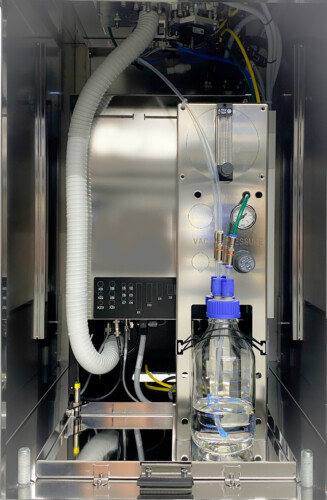
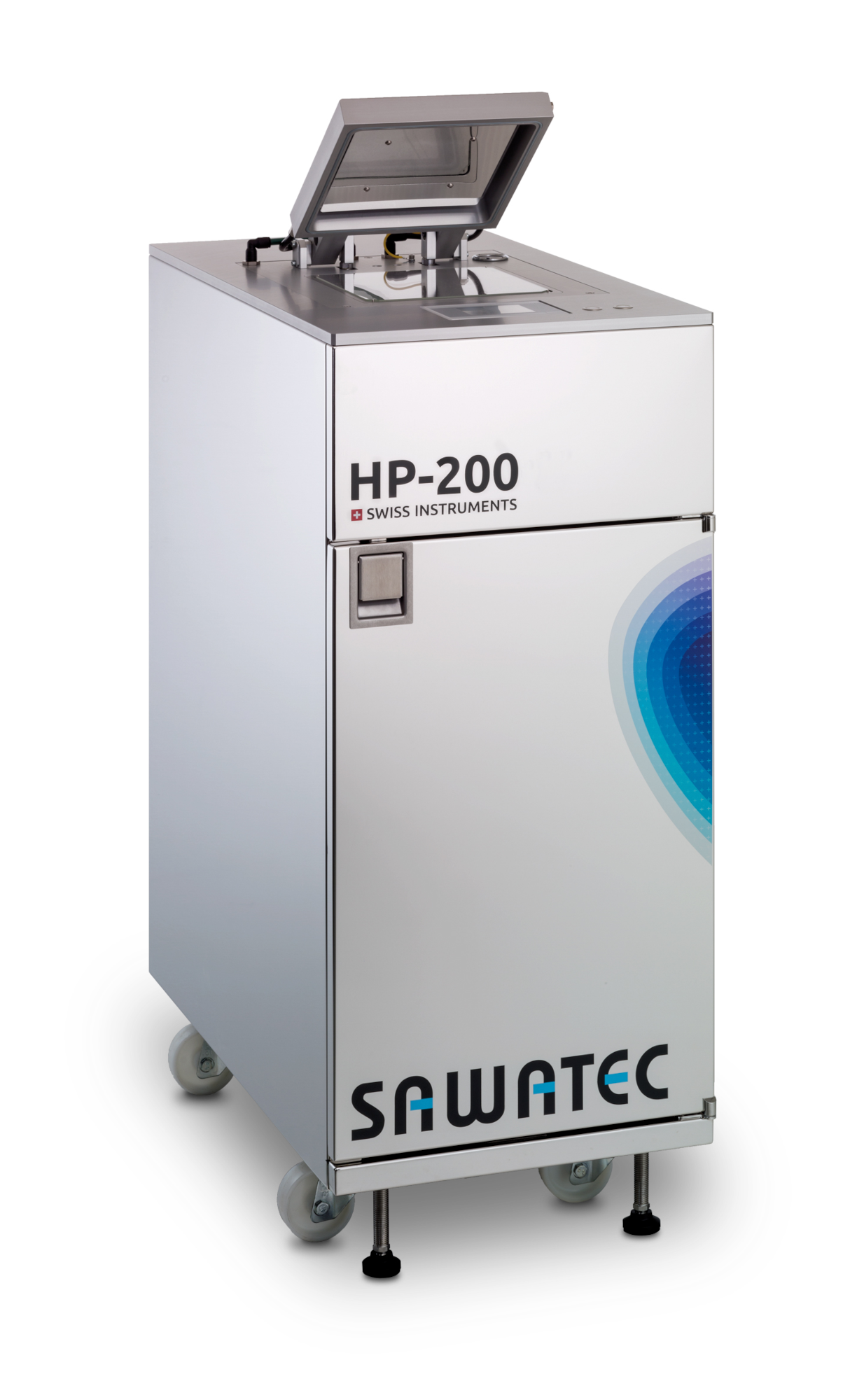
Four critical steps before photoresist coating
Cleaning and dehydration
Confirm surface contamination, cleaning residue and adsorbed moisture before setting the dehydration temperature and time window.
Controlled atmosphere
Define vacuum, nitrogen purge, exhaust and chemical-safety requirements instead of treating HMDS as ordinary liquid dispense.
Adhesion promotion
Validate HMDS parameters against silicon, oxide or glass surface condition and the positive or negative resist system.
Transfer to coating
Exposure time and environment between pretreatment and spin coating affect repeatability. Automated lines should plan hotplate, coolplate and coating modules together.
Inputs needed for HMDS configuration
| Input | Information to confirm | Configuration impact |
|---|---|---|
| Substrate | Material, diameter or shape, thickness, warpage and surface layer | Plate size, vacuum hold-down and lift pins |
| Materials | Photoresist, adhesion promoter, compatibility and safety requirements | Chamber, lines, exhaust and recipes |
| Process | Dehydration temperature, HMDS time, cooling and delay before coating | Temperature profile, nitrogen, vacuum and integration |
| Automation | Manual R&D, Duo, ROBO or cluster system | Handling, coolplate, recipes and throughput |
Start with surface and material information
SAWATEC does not replace process validation with one fixed recipe. Send the substrate material, resist, present adhesion issue, dehydration conditions, dimensions and automation requirements.